Wymondham High
 Religion, Philosophy and Ethics (RPE)
Religion, Philosophy and Ethics is an academically rigorous subject in which students engage with some of the most significant questions that have shaped human civilisation. Through the study of religion, philosophical thought and ethical reasoning, students develop the knowledge and intellectual skills required to understand both the complexity of human belief and the societies in which we live.
The subject combines scholarly investigation with critical analysis, encouraging students to examine ideas with precision, evaluate competing arguments and develop informed, reasoned judgements.
Our Discipline
Our RPE curriculum is rooted in three complementary academic disciplines:
Religious Studies
Drawing upon anthropology and the history of religion, students explore the development of religious traditions, the role of belief in human societies, and the ways in which religion has shaped cultures across time and place.
Theology
Students examine the beliefs, doctrines and intellectual traditions of faith communities, considering how religious thinkers have understood questions of God, humanity, authority and ultimate reality.
Philosophy
Students engage with enduring questions concerning knowledge, existence, morality and meaning. Through philosophical enquiry, they learn to analyse arguments, challenge assumptions and construct coherent lines of reasoning.
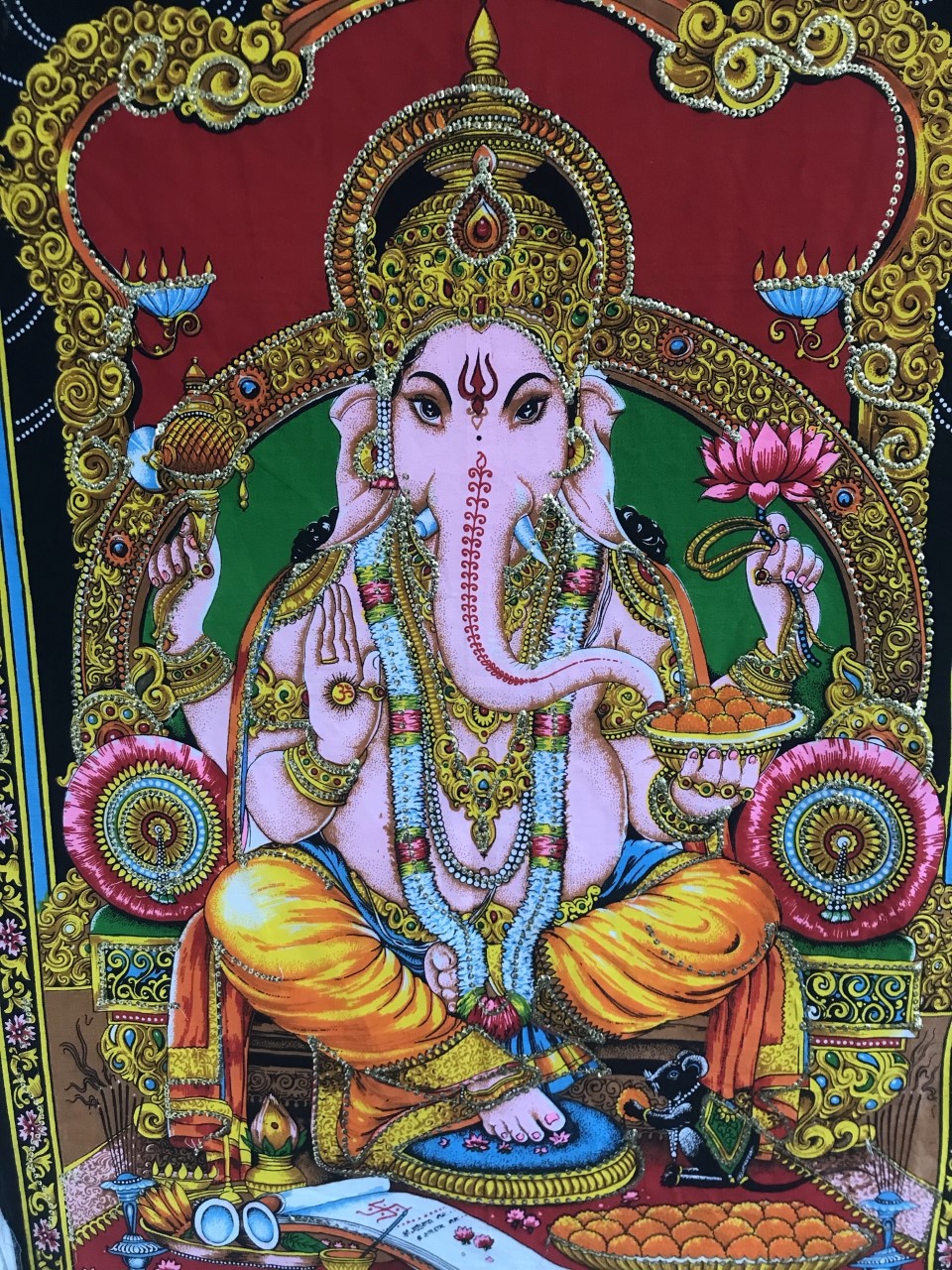
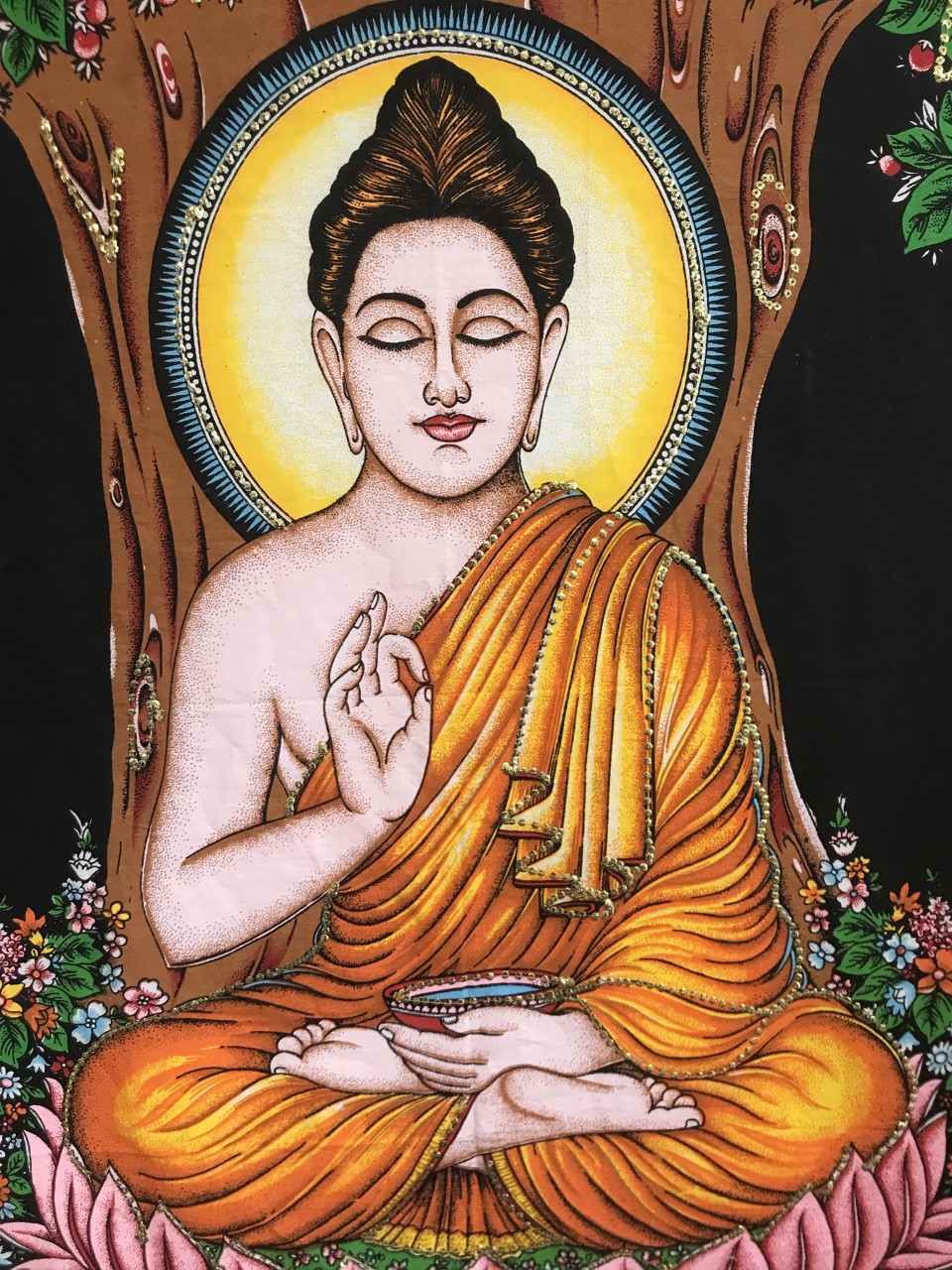
Students study a range of major religious traditions, including Christianity, Judaism, Hindu Dharma, Sikhi, Islam and Buddhism. This breadth of study develops substantial religious literacy and a nuanced understanding of the beliefs and practices that continue to shape the contemporary world.
Academic Value
RPE is distinguished by the intellectual demands it places upon students. The subject requires careful reading, conceptual analysis, critical evaluation and precise written communication.
Students learn to:
• analyse complex ideas and texts
• evaluate competing arguments and interpretations
• engage critically with evidence
• construct persuasive and well-supported judgements
• communicate sophisticated ideas with clarity and precision
These capacities are central not only to success within the humanities but to higher education more broadly, as well as in the world of work.
Personal Development
Alongside its academic rigour, RPE makes a distinctive contribution to students’ personal development. The subject provides opportunities for reflection on questions of meaning, identity, responsibility and human flourishing.
Students are encouraged to approach disagreement with intellectual humility, to engage respectfully with perspectives different from their own, and to develop the confidence to articulate and defend their views with reason and integrity.
In doing so, RPE helps cultivate thoughtful, reflective and informed young adults who are prepared to participate responsibly in contemporary society.
Curriculum Pathway
All students study RPE throughout Key Stages 3 and 4 as part of a broad and ambitious curriculum.
Students may choose to continue their studies through:
GCSE Religious Studies (AQA)
Students study Christianity and Islam alongside a range of philosophical and ethical themes, developing both subject knowledge and evaluative skills.
A Level Religious Studies (OCR)
Students specialise in:
• Philosophy of Religion
• Ethics
• Developments in Christian Thought
The course offers an intellectually demanding preparation for university study and is particularly valued for the analytical and evaluative skills it develops.
Expert Teaching
The department is staffed by experienced subject specialists with strong academic backgrounds in theology, philosophy and religious studies. Teaching is informed by contemporary scholarship and characterised by intellectual challenge, careful discussion and high academic expectations.
We seek to foster curiosity, independence of thought and a lasting engagement with ideas.
Beyond the Classroom
The skills developed through RPE are highly regarded by universities and employers alike. Former students have progressed into fields including law, medicine, education, journalism, public service, business and academia.
More fundamentally, the study of Religion, Philosophy and Ethics offers students something of enduring value: a deeper understanding of the beliefs, ideas and traditions that have shaped human history, and a richer appreciation of the questions that continue to define human life.
Curriculum Journey
KS3
|
7 |
8 |
9 |
|
What's philosophy? |
What happened to Moses? |
How did Christianity spread? |
|
What happened when the Greeks went to India? |
How does faith shape life for a Jew? |
How did Islam begin? |
|
What do Hindus believe about life and death? |
What is antisemitism? |
What does it mean to be a good person? |
|
How does Hindu Dharma teach people to live? |
Why does God let bad things happen? |
Should we try to be more like Alexander the Great? |
|
How did Siddhartha challenge Hindu Dharma? |
Was Jesus really God? |
When God speaks, what does he say? |
|
How did Guru Nanak challenge Hindu Dharma? |
Why is Christianity so diverse? |
Can you have a religion without a God? |
KS4
|
10 |
11 |
|
How do I know I'm not a butterfly? |
Would Aristotle use snapchat? |
|
What happens when we die? |
What really matters in life? |
|
Why is there religion everywhere? |
Are we all pilgrims? |
|
Does God even exist? |
What does it mean to "love your neighbour"? |
|
Is religion a tool of power? |
|
|
Is Jesus "for" the poor? |
|